

· BBC historical account and Rangers’ Parlane recollection reviewed 16 November 2026
What did Rangers win in 1972?
On 24 May 1972 Rangers beat Dynamo Moscow 3–2 at the Camp Nou, Barcelona to win the European Cup Winners’ Cup. Colin Stein scored once and Willie Johnston twice. It was the Cup Winners’ Cup, not the European Cup: the distinction matters when comparing the club’s European history.
Willie Waddell was manager and John Greig captain. The BBC’s historical account places the victory in Rangers’ fourteenth European campaign and records two earlier Cup Winners’ Cup final defeats: against Fiorentina in 1961 and Bayern Munich in 1967. The 1972 win was a third final appearance, not the team’s first experience of that stage.
John Greig: the captain behind the European triumph
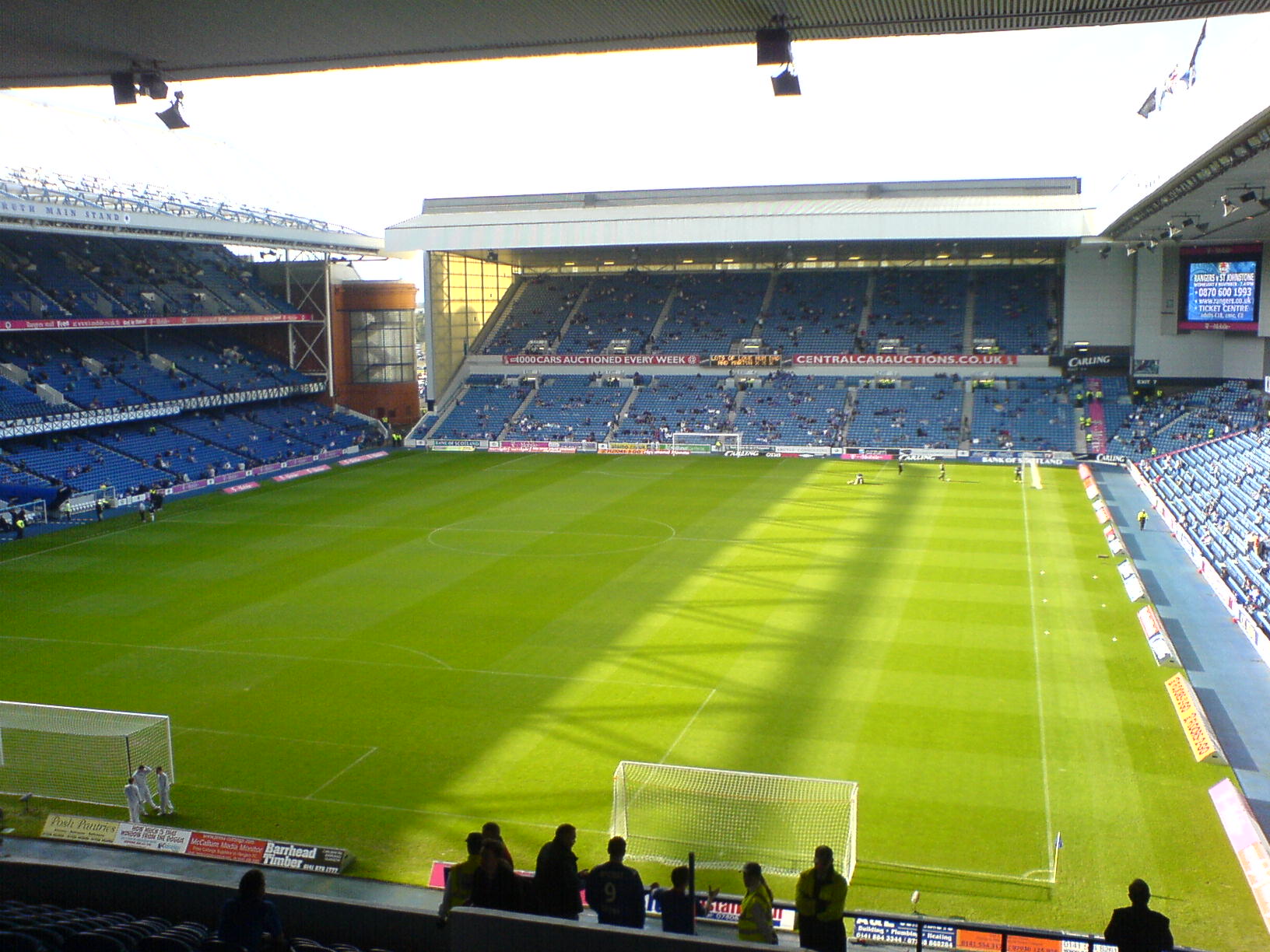
Why Ibrox mattered to the campaign
The BBC records that Rangers won all four home matches in the competition. After a 1–1 draw at Rennes, Alex MacDonald scored the only goal in the Ibrox return. Rangers then beat Sporting Lisbon 3–2 at home, although two second-half goals for the visitors left the return far from comfortable.
Torino was another demanding tie. Rangers drew 1–1 in Turin before MacDonald again scored the only goal at Ibrox. The sequence shows why the home games deserve attention alongside the Barcelona final: controlled results in Glasgow completed ties that had been kept alive away from home.
The confused finish in Lisbon
Sporting’s 4–3 extra-time win in the second leg left the tie 6–6 on aggregate. According to the BBC account, the referee ordered a penalty shoot-out despite Rangers having scored more away goals. Waddell challenged the decision with the competition rules, and Rangers advanced after the mistake was corrected.
That episode belongs to the rules used in this historical competition. It should not be read as advice on how a modern European tie is decided. The important point for this campaign is the outcome: Rangers went through to face Torino, despite the misleading shoot-out scene in Lisbon.
Jardine and Parlane against Bayern
A 1–1 draw in Munich brought the semi-final back to Ibrox level. Sandy Jardine scored early in the return and Derek Parlane added the second in a 2–0 win, giving Rangers a 3–1 aggregate victory over the side that had beaten them in the 1967 final.
In Rangers’ 2020 recollection, Parlane describes that night as the moment his world changed. He had made only six first-team appearances before being selected against Bayern; the goal was his first for the club. His account gives the tie a personal dimension beyond its score: a young player’s breakthrough was also the result that sent Rangers to Barcelona.
Sandy Jardine: the semi-final scorer remembered in an Ibrox stand

Three goals, then a tense finish
Stein’s opening goal and Johnston’s header gave Rangers a two-goal lead before half-time. Johnston scored again early in the second half, but Dynamo’s two goals made the closing stages far less comfortable. The final score was 3–2, not a three-goal victory.
The BBC account also records repeated pitch invasions, interruptions and confrontations involving supporters and police. The football achievement should not erase those events. This article does not turn crowd disorder into a romantic part of the result or present an unsupported account of particular individuals’ conduct.
Understanding the legacy at Ibrox today
Barcelona 1972 connects several stories already told on this site: Greig’s captaincy, Jardine’s playing career and the history of a stadium rebuilt in later decades. Keeping those subjects separate helps avoid confusing the old Ibrox setting with the stands visible in recent photographs.
For a visit today, the Rangers Museum provides a broader introduction to club achievements, while a stadium tour puts the history into its physical setting. Neither is advertised here as a guaranteed 1972-themed itinerary. Check the current booking listing and ask about particular displays if they are the main reason for your visit.
